


Editorial board

The editorial board is composed of the Editor-in-Chief, Editors, and Managing Editor. Guest Editors serve as editorial board members only during the approved Special Issue period. Advisory Board Members are not part of the editorial board.

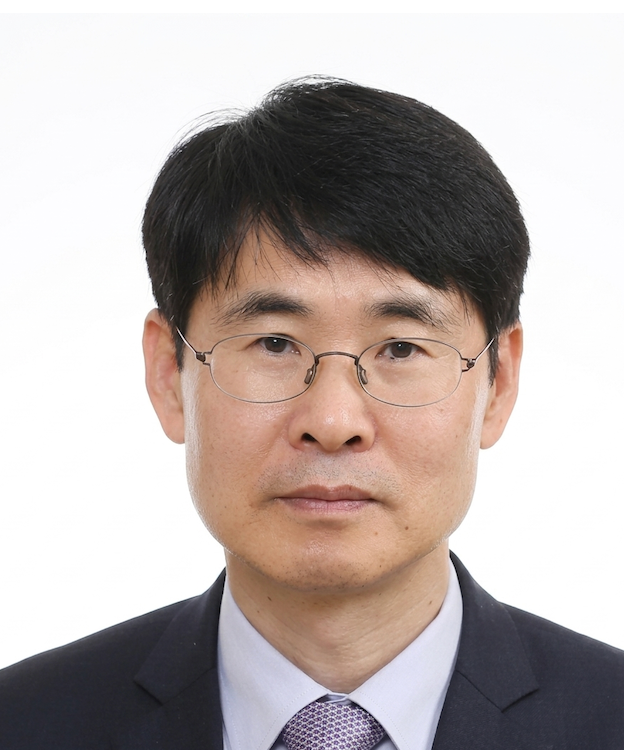
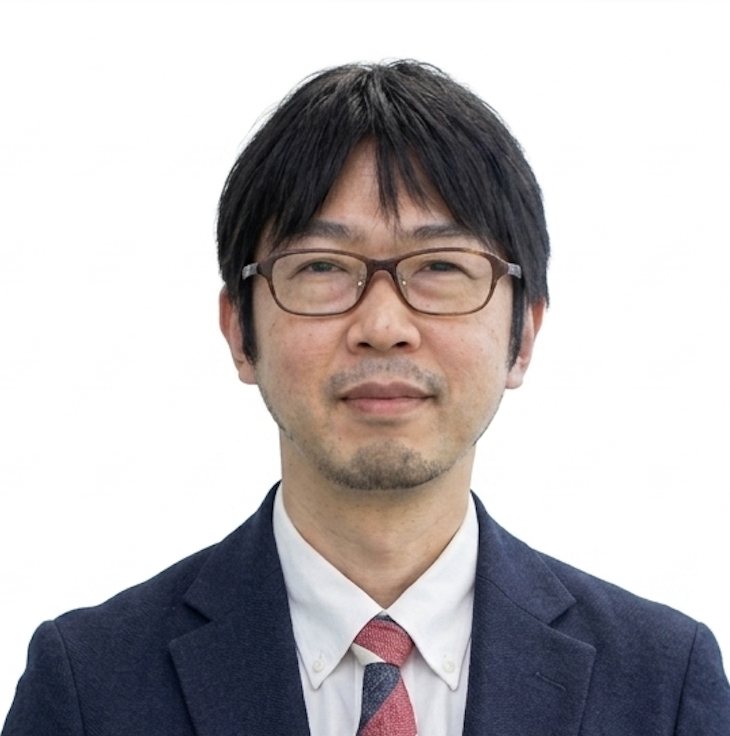
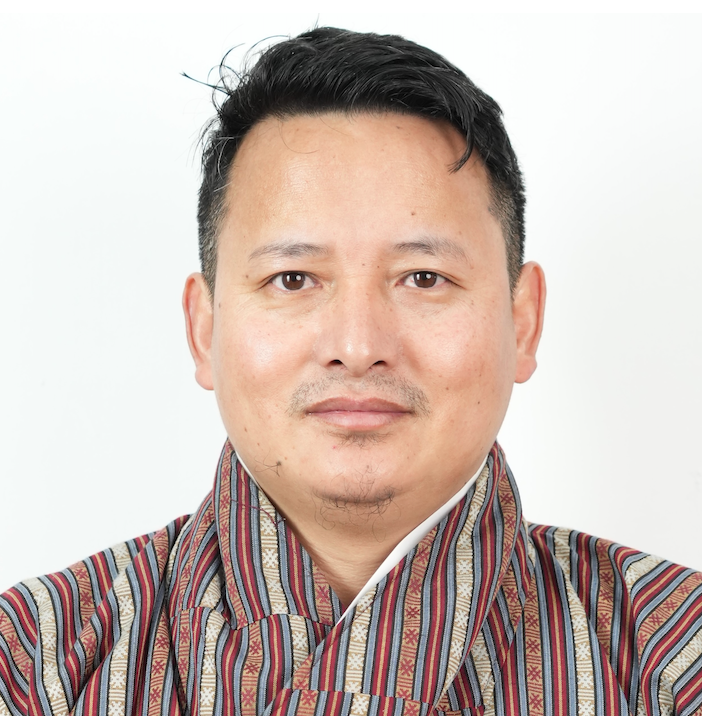
Tshewang Phuntsho

Editor-in-Chief

Gedu College of Business Studies, Royal University of Bhutan

Tshewang Phuntsho holds a PhD in Green Science and Engineering, specializing in AI and Financial Engineering, from Sophia University, Japan. He also holds an MSc in Mathematical Engineering with a focus on Financial Mathematics and Data Science from the University of L'Aquila, Italy, and a B.A. in Mathematics and Philosophy from Hiram College, USA. He currently serves as the Head of Business Research Centre and Lecturer at Gedu College of Business Studies, Royal University of Bhutan. He has given numerous guest lectures, including at IIT Delhi (India), University of Valencia (Spain), SeoulTech (Republic of Korea), and Hallym University (Republic of Korea). His research interests include combinatorial optimization, the application of stochastic frontier analysis, and the application of machine learning in business and finance.


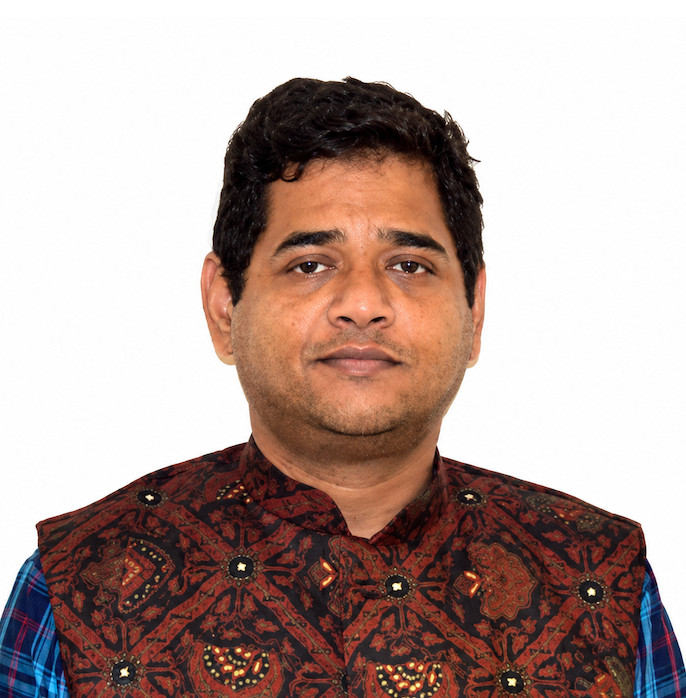
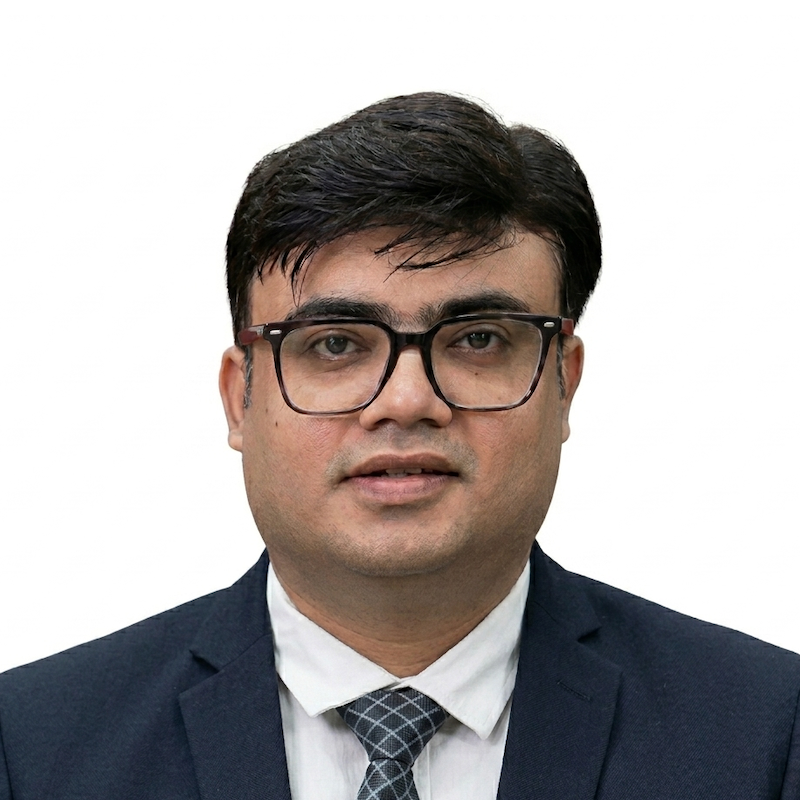
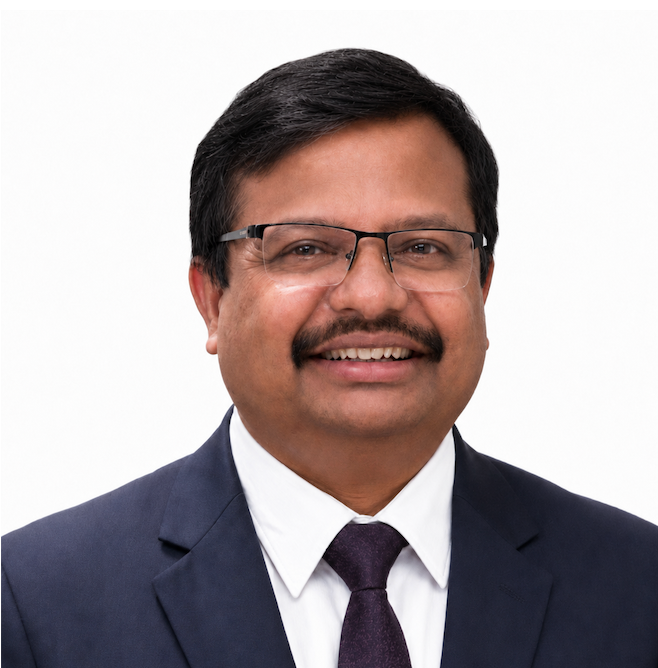
Francisco Salas Molina

Francisco Salas Molina

Editor

Technical University of Valencia (Alcoi Campus), Valencia, Spain

Professor Francisco Salas-Molina is a distinguished scholar at the Universitat Politècnica de València whose work bridges operations research, artificial intelligence, multiple criteria decision-making, and finance. With a Ph.D. from the Instituto de Investigación en Inteligencia Artificial, CSIC, Spain, he brings advanced AI expertise together with a deep understanding of financial markets to improve decision-making in complex economic and financial contexts. His research has made significant contributions to forecasting, cash management, portfolio selection, fuzzy decision methods, and ethical group decision-making. His key findings have appeared in leading Q1 journals, including the International Journal of Forecasting, Annals of Operations Research, Computers & Operations Research, and Socio-Economic Planning Sciences, reflecting a strong record of methodological innovation and practical financial relevance.

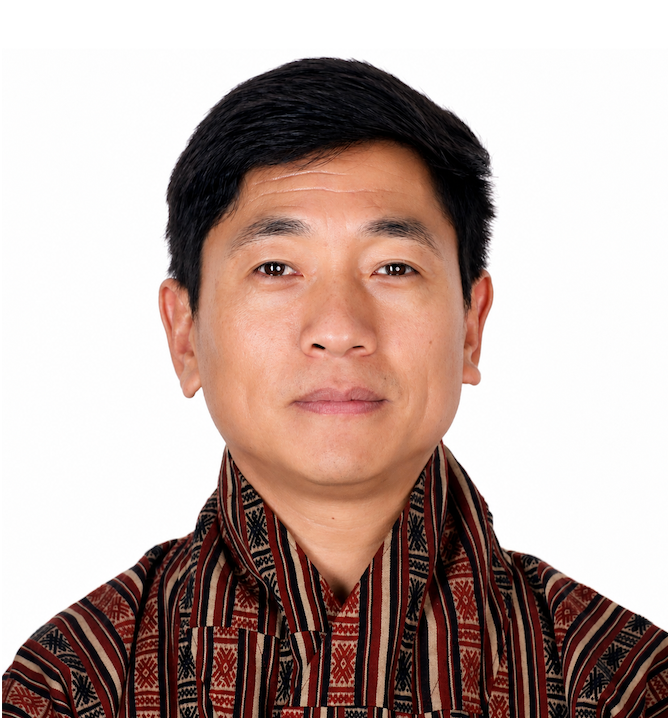
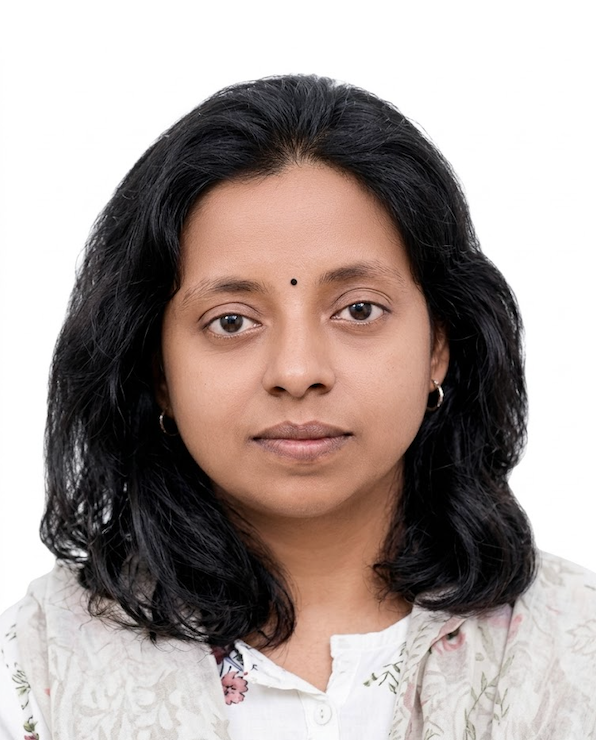
 Saudamini Das

Saudamini Das

Editor

Institute of Economic Growth, New Delhi, India

Professor Saudamini Das is a leading environmental economist at the Institute of Economic Growth, India, with deep expertise in climate change adaptation, ecosystem service valuation, coastal vulnerability, mangroves, livelihood loss and damage, and public policy evaluation. A former NABARD Chair Professor, she is a SANDEE Fellow and has held distinguished research affiliations with the Beijer Institute of Ecological Economics, the Indian Statistical Institute, and the Environment for Development network at the University of Gothenburg. Her research connects rigorous economic analysis with urgent development and environmental challenges, including heat stress, informal workers, water insecurity, marine plastic pollution, and climate resilience. As Editor of Ecological Economics and Cambridge Prisms: Coastal Futures, she is a prominent voice shaping global scholarship on sustainability, climate risk, and environmental policy.

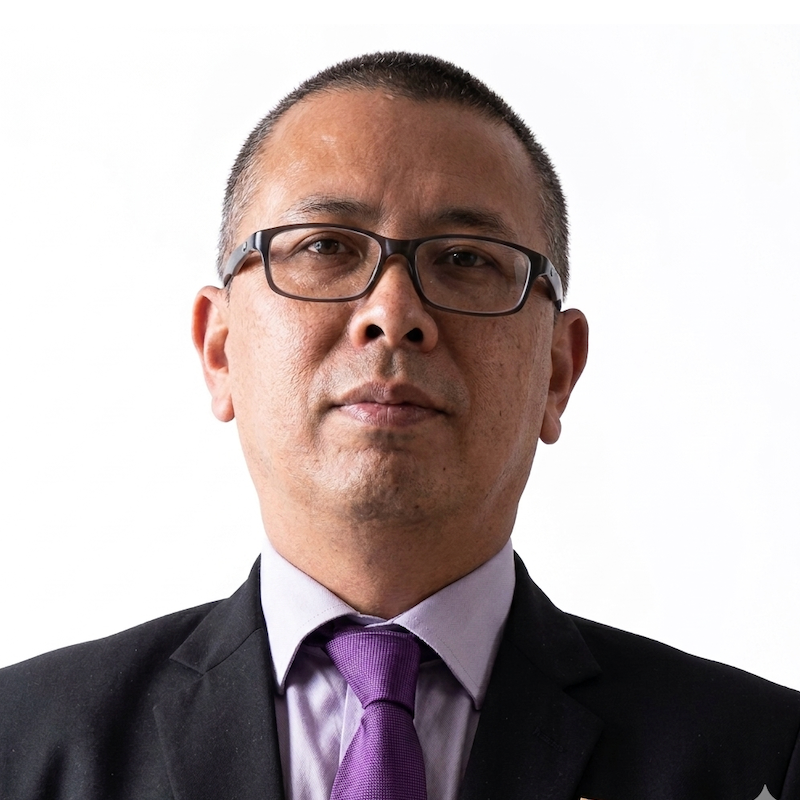
Cagri Bulut

Cagri Bulut

Editor

Constructor University, Germany

Prof. Dr. Cagri Bulut is Interim Dean of the School of Business, Social and Decision Sciences and Professor of Strategy & Management at Constructor University, Germany. He holds a PhD in Business Administration from Gebze Institute of Technology, Türkiye. Previously, he served as Dean of the Faculty of Business at Yasar University and Director of the Graduate School of Social Sciences. His research interests include entrepreneurship, intrapreneurship, innovation culture, and AI-enabled business models. He has led multiple Erasmus+ projects and serves as Director of Executive Education and Innovation at Constructor University.

     
Phuntsho Choden

Phuntsho Choden

Editor

Evaluation Association of Bhutan, Thimphu, Bhutan

Dr Phuntsho Choden is an accomplished economist, researcher, evaluator, and development professional with over two decades of experience across Bhutan’s public, academic, and private sectors. She holds a doctorate and a research-based master’s degree in Economics from Queensland University of Technology, Australia, along with advanced training in international and development economics from Germany. Her career spans public finance, fiscal policy, teaching, research, consulting, and institutional governance. She has served at the Royal Institute of Management, Gedu College of Business Studies, and as external examiner for Sherubtse College. Currently an independent consultant, researcher, and evaluator, she works across development economics, social and human capital, gender, equity, and business. Her recent focus on culturally responsive evaluation reflects her commitment to strengthening Bhutan’s evaluation culture and building local knowledge systems.

     
Se Hak Chun

Se Hak Chun

Editor

Seoul National University of Science and Technology, Department of Business Administration, Seoul, Republic of Korea

Professor Se-Hak Chun is a leading scholar in management information systems, e-business, and data-driven finance at Seoul National University of Science and Technology. His work connects business, technology, and society through research on electronic commerce, fintech, blockchain, digital finance, supply chains, omnichannel strategy, law and economics, and happiness economics. A former Dean of the Industrial Graduate School and Chair Professor in Big Data and AI Management programmes, he brings strong academic leadership to interdisciplinary research. His prolific publications span machine learning, financial prediction, sustainability, security investment, consumer analytics, and strategic management, reflecting a career committed to impactful, future-oriented business scholarship.

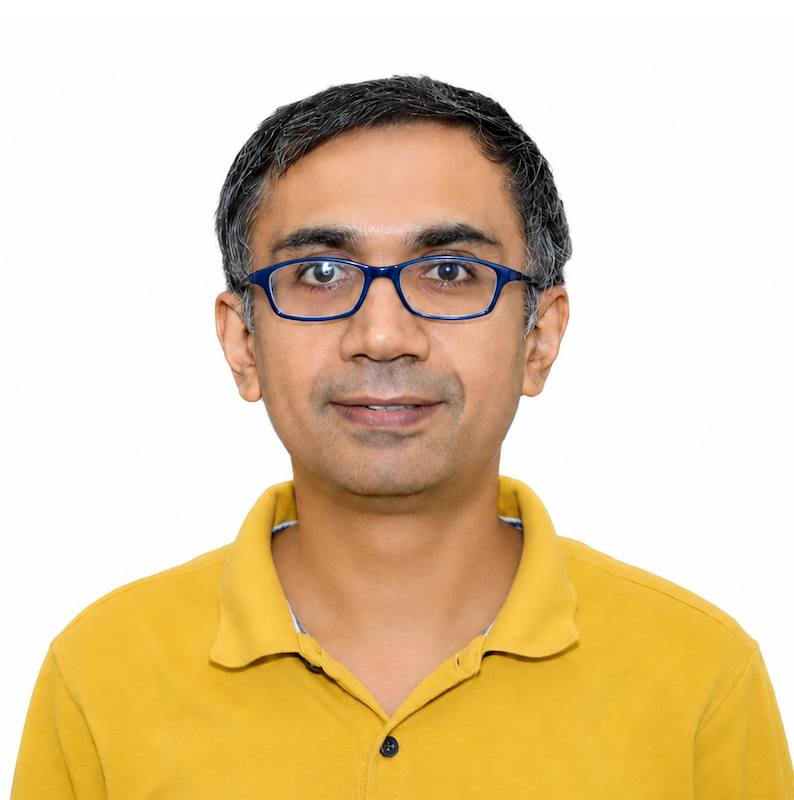
Kishore Kumar Dhavala

Kishore Kumar Dhavala

Editor

Nalanda University, Bihar, India

Dr Kishore Kumar Dhavala has more than 20 years of teaching experience and is an environmental economist and Associate Professor at Nalanda University. He also serves as Deputy Dean of International Relations at the University. His specialisations include climate change mitigation, energy policy, natural resource valuation, blue economy, emissions trading, and applied econometrics. With a PhD and MA in Economics from Florida International University, he brings a strong international profile shaped by research and teaching experience in India, the United States, and Spain. His expertise is further strengthened by an MA in Quantitative Economics and a BA in Mathematics from Andhra University, India. His work bridges rigorous economic modelling with urgent sustainability challenges, including low-carbon transitions, climate policy, ecosystem services, environmental efficiency, and public investment appraisal. He has contributed to European Commission FP7 climate-economy projects, policy-relevant studies for India, and influential publications in Sustainability, AIMS Energy, Ecological Economics, Environmental and Resource Economics, and Economic and Political Weekly.

Pema Dorji

Pema Dorji

Editor

Ministry of Finance, Royal Government of Bhutan, Thimphu, Bhutan

Dr Pema Dorji is an economist at Bhutan’s Department of Macro-Fiscal and Development Finance under the Ministry of Finance where he currently serves as the Chief. He holds a PhD in Economics from Nagoya University, Japan. His work sits at the intersection of macro-fiscal policy, development finance, human capital, decentralisation, and Bhutan’s long-term economic transformation. Formerly an analyst at the Ministry of Finance, he brings policy-grounded expertise to research on education subsidies, demographic change, macroeconomic stabilisation, financing needs, and rural development. His publications examine issues central to Bhutan’s development agenda, including the application of Japan’s Furusato Nozei model to Bhutan, COVID-19 macroeconomic stabilisation, and rural tourism as a pathway to Gross National Happiness. He combines rigorous economic modelling with practical policy insight for inclusive and sustainable development. 

Rinchen Dorji

Rinchen Dorji

Editor

Gedu College of Business Studies, Royal University of Bhutan, Chhukha, Bhutan

Dr Rinchen Dorji is an economist and faculty member at Gedu College of Business Studies, Royal University of Bhutan, where he has served since 2009. He holds a PhD in Economics from Nagoya University, Japan, with expertise in applied and policy-oriented economic research. His work focuses on foreign direct investment, migration and remittances, inequality, economic growth, efficiency analysis, and evidence-based policy evaluation. Methodologically, he applies econometric techniques and Computable General Equilibrium modelling to analyse complex economic relationships and policy impacts. At GCBS, he leads the Graduate School and teaches Econometrics, International Trade, Microeconomics, Macroeconomics, and Business Economics. Through research and consultancy engagements with national institutions such as DHI, the Ministry of Works and Human Settlement, and BDBL, he contributes meaningfully to Bhutan’s sustainable economic development. His research has also appeared in high impact SCOPUS indexed journals.

Elangbam Haridev Singh

Elangbam Haridev Singh

Editor

St Joseph University, Nagaland, India

Dr. Elangbam Haridev Singh is an accomplished management scholar, Associate Professor, and Head of the Department of Management at St. Joseph University, Nagaland. With over 15 years of teaching, research, supervision, and project leadership across India and Bhutan, his expertise spans entrepreneurship, entrepreneurial marketing, public policy evaluation, digital marketing, e-commerce, MCDA, EFA, CFA, and mediation/moderation analysis. His research areas include management, marketing, information systems, quantitative techniques, and entrepreneurship. He has led and contributed to several funded studies on rural enterprise, organic farming, ICT adoption, tourism, and entrepreneurial ecosystems, with more than 30 publications linking management research to regional development. A recipient of Bhutan’s bronze Royal Civil Service Award, Dr. Singh brings strong academic depth, policy relevance, and cross-country development insight to business and management scholarship.

Talita Greyling

Talita Greyling

Editor

University of Johannesburg, Johannesburg, South Africa

Dr. Talita Greyling is an internationally recognised economics professor at the University of Johannesburg, known for pioneering real-time well-being measurement through the Gross National Happiness.today Project. Her work applies Big Data, machine learning, and sentiment analysis to measure happiness, quality of life, and social welfare. In 2021, she received the University of Johannesburg Vice-Chancellor’s Distinguished Award for Innovation, and her GNH.today Index was accepted by New Zealand Treasury and Stats NZ as an official economic indicator. She was also invited as a TEDx speaker on the GNH Index. Her scholarly impact includes a Wiley Top Cited Article on COVID-19 lockdowns and happiness, alongside international keynote recognition at the ISQOLS Conference.  He is associate editor of Applied Research in Quality of Life and is co-editor of Journal of Happiness Studies.  Prof. Greyling is also the Vice-President (Membership) of the International Society for Quality-of-Life Studies and a Research Fellow of the Global Labor Organization (GLO) besides being involved in several international collaborations related to well-being research. She frequently participates in radio shows, television shows and podcasts.

Kentaro Kawasaki

Kentaro Kawasaki

Editor

University of Tokyo, Tokyo, Japan

Dr Kentaro Kawasaki is an accomplished agricultural economist and Associate Professor at the University of Tokyo, specialising in quantitative approaches to agricultural and resource economics. His work applies econometrics, machine learning, simulations, and experimental methods to critical issues such as climate change, sustainable farming, crop quality, land fragmentation, smart agriculture, and agricultural policy. With policy and research experience at PRIMAFF, the OECD, the University of Maryland, and Bhutan’s Ministry of Agriculture and Livestock, he bridges academic excellence with real-world policy impact. His publications span leading journals including American Journal of Agricultural Economics, Ecological Economics, and Journal of Agricultural Economics.

Shad Ahmad Khan

Shad Ahmad Khan

Editor

American University of Phnom Penh, Cambodia

Dr. Shad Ahmad Khan, listed among the Top 2% of Scientists worldwide (2024, 2025), is an Associate Professor at the American University of Phnom Penh and International Professor at the University of Arizona, USA. He holds a PhD in Business Administration (E-Marketing) from Aligarh Muslim University, India. At the University of Buraimi, Oman, he led a 100% increase in Scopus publications and contributed to institutional accreditation. His research interests include sustainable business practices, digital marketing, consumer loyalty, and higher education systems. He serves as Associate Editor-in-Chief of the International Journal of Pluralism and Economics Education (Scopus) and is an editorial board member of Humanities and Social Sciences Communications.

Stefan Larsson

Stefan Larsson

Editor

Lund University, Skåne, Sweden

Dr. Stefan Larsson is a leading socio-legal scholar and Associate Professor in Technology and Social Change at Lund University, Sweden. With rare interdisciplinary credentials—a law background, a PhD in Sociology of Law, and a PhD in Spatial Planning—he examines how AI, automation, robotics, and digitalisation reshape society, law, governance, and trust. He leads Lund University’s multidisciplinary AI and Society research team, focusing on transparency, accountability, and the socio-legal impact of autonomous technologies across consumer markets, public services, healthcare, and social robotics. With nearly 200 research outputs, extensive international activities, and major projects on AI governance, welfare, discrimination, and intellectual property, he is a prominent voice on responsible technological transformation and its implications for democratic societies.

Christoph Lattemann

Christoph Lattemann

Editor

Constructor University, Germany

Prof. Dr. Christoph Lattemann is Associate Professor of Business Administration and Information Management at Constructor University, Germany. His research focuses on digital transformation, innovation management, and international business, with particular emphasis on China and emerging markets. He founded the D-Forge Design Thinking Lab and the Jacobs Center for China and Globalization, and serves as Vice President of the Chinese Globalization Association. He has published 15 books and over 200 articles, and has led numerous BMBF and Erasmus+ research projects.

   
Roman Matousek

Roman Matousek

Editor

The Hang Seng University of Hong Kong, Hongkong

Dr Roman Matousek is an internationally recognised scholar in banking, finance, and financial economics, with extensive academic leadership experience across Europe and Asia. He is Professor and Head of the Department of Economics and Finance at the Hang Seng University of Hong Kong, having previously held senior roles at Queen Mary University of London and the University of Nottingham. His research focuses on banking efficiency, monetary economics, financial innovation, FinTech, and financial institutions, with publications in leading journals such as Journal of Banking & Finance, European Journal of Operational Research, and Research Policy. He also contributes actively to editorial leadership, policy engagement, and global academic collaboration.

Manju Shree Pradhan

Manju Shree Pradhan

Editor

Gedu College of Business Studies, Royal University of Bhutan, Chhukha, Bhutan

Dr Manju Shree Pradhan is a dedicated academic and researcher at Gedu College of Business Studies, Royal University of Bhutan, with over eleven years of experience in higher education. She has a PhD in Business Administration from Naresuan University, Thailand. She currently leads Bachelor of Human Capital Management at the University where she provides strategic academic leadership, strengthens quality assurance, and promotes industry–academia collaboration to enhance graduate readiness. Her specialization include business education, human capital management, workplace learning, competency development, employability, leadership, and economic resilience. Her scholarly contributions include SCOPUS-indexed publications, competitive research grants, curriculum development, research mentoring, and service on academic and recruitment committees. 

Vinay Ramani

Vinay Ramani

Editor

Indian Institute of Technology Kanpur, Department of Management Sciences, Kanpur, India

Dr. Vinay Ramani is an Associate Professor in the Department of Management Sciences at the Indian Institute of Technology Kanpur, with a PhD from the University at Buffalo. His scholarship sits at the intersection of economics, operations management, industrial organisation, and pricing strategy, bringing analytical depth to questions of competition, markets, and strategic decision-making. His teaching spans game theory, competitor analysis, pricing strategy, and environmental economics for business. Through research on pollution control in competitive markets, closed-loop supply chains, coopetition, and incomplete information, he contributes to a rigorous understanding of how firms, markets, and policy choices interact in complex economic systems.

Debdatta Saha

Debdatta Saha

Editor

South Asian University, SAARC, New Delhi, India

Dr. Debdatta Saha is an applied microeconomist whose work sits at the intersection of industrial organization, innovation, and competition policy. She earned her PhD from the Indian Statistical Institute, New Delhi, focusing on standardization in network industries, and has since shaped both academic and policy conversations. Her experience spans government policy—as an Economist at the National Institute of Public Finance and Policy and as an Expert in the Economics Division at the Competition Commission of India—and the classroom, where she has taught graduate courses at TERI University and Jawaharlal Nehru University. Her research, which includes machine-learning approaches to firm performance and analyses of competition law in digital markets, has appeared in journals such as Computational Economics and Economic and Political Weekly. She is also the author of Economics of the Food Processing Industry: Lessons from Bihar, India (Springer, 2020) and was specially commended for teaching excellence at the London School of Economics.

Purna Prasad Sharma

Purna Prasad Sharma

Editor

Touro University, New York, United States of America

Dr Purna Prasad Sharma is an Adjunct Professor, Department of Business & Accounting at Touro University, New York School of Career and Applied Studies. With over 100 publications, his scholarly expertise includes microfinance, financial inclusion, rural development, and applied business research. His work examines how financial knowledge, savings, borrowing, insurance, and investment behaviour shape people’s ability to manage financial products and services in Bhutan. His research also addresses self-help groups, poverty reduction, agricultural employment, and rural economic transformation, linking finance with inclusive development. Through publications on Bhutan, India, and organisational performance, he contributes practical insights for policy, education, and sustainable community development. He has also served as an Assistant Professor at Gedu College of Business Studies, Royal University of Bhutan and served as an Editor-in-Chief of Bhutan Journal of Business Management (BJBM).

Tsagay

Tsagay

Editor

Gedu College of Business Studies, Royal University of Bhutan, Chhukha, Bhutan

Dr Tsagay is a finance and quantitative methods scholar at Gedu College of Business Studies, Royal University of Bhutan, where he has served since 2011. He holds a PhD in Business Administration from Naresuan University, Thailand, funded by His Majesty’s Scholarship, with doctoral research focused on Enterprise Risk Management. He also holds an MBA in Finance from GCBS and a BA in Mathematics from Hiram College, USA, under the Royal Government of Bhutan Scholarship. His teaching spans Business Mathematics, Statistics, Finance, and research methods for undergraduate and postgraduate students. Beyond academia, he has contributed to consultancy projects for DHI, RICBL, RMA, and NPPF, and participated in Erasmus+ international collaborations. His research interests include enterprise risk management, financial analytics, quantitative finance, sustainable development, applied statistics, and emerging technologies. He currently lead the School of Business Intelligence and Information System at the College and his publications have appeared in SCOPUS indexed journals

Karma Yezer

Karma Yezer

Editor

Gedu College of Business Studies, Royal University of Bhutan, Chhukha, Bhutan

Dr Karma Yezer is a management scholar and academic leader with over 15 years of experience in higher education, institutional development, and management education. He has a PhD in Business Administration from Naresuan University, Thailand. Since joining Gedu College of Business Studies in 2010, he has contributed significantly to academic leadership, programme development, and quality enhancement. He has served as BBA Programme Leader and Head of the Department of Human Resource/Capital Management, and currently leads the School of Business Management. His professional contributions extend to major consultancy projects for Bhutanese institutions, including BDBL, CDCL, and RICBL. His publications have appeared in high impact journals such as Discover Psychology.

Editorial Roles

BJBM is supported by an editorial structure designed to uphold scholarly quality, editorial integrity, and responsible journal development.

Editorial Roles

The journal may include, as applicable:

  • Editor-in-Chief;
  • Editors;
  • Managing Editor;
  • Guest Editors for approved Special Issues; and
  • Advisory Board Members.

Public Information

The journal will identify editorial leaders, editors, guest editors, and advisory members publicly with their names, affiliations, roles, profile information, website links, and ORCID identifiers where available and appropriate.

Responsibilities

Editorial and advisory members may contribute through:

  • strategic advice on journal development;
  • support for scholarly standards;
  • occasional peer review or reviewer recommendation;
  • promotion of the journal’s academic profile; and
  • informed advice on scope, policy, and quality.

Board membership does not by itself confer authority to make editorial decisions on manuscripts unless a specific formal editorial role has been assigned.

Standards of Conduct

Editorial, guest editorial, and advisory members are expected to uphold the journal’s standards on confidentiality, fairness, conflict management, professional conduct, and publication ethics.

Conflicts and Board-Authored Submissions

Submissions by editorial, guest editorial, or advisory members must be handled under the journal’s conflict-of-interest procedures. Members must not exploit their position to influence the handling or outcome of their own manuscripts.

Appointment and Review

Appointments are made by the journal or publisher according to the journal’s governance arrangements. The journal may review composition periodically to ensure relevance, activity, diversity of expertise, and continued suitability.

Removal or Change of Role

The journal may revise, conclude, or withdraw appointments where there is prolonged inactivity, unresolved conflict, misconduct, reputational risk, or strategic need.

Past editorial members

A separate editorial history page preserves former appointments and prior terms of service while keeping the current masthead concise and easier to navigate.

Review former editorial appointments, previous terms of service, and historical role records in the dedicated editorial history page.

Open editorial history